
 The largest city in the province of Quebec, Montreal has become one of the most significant cities in all of Canada. Featuring everything from the oldest war monument in Canada to icons that are recognized by visitors and embraced by residents, the city combines the legacy and history of the region with the modern community in a seamless manner. Much of that has been enabled by landmarks that subtly but powerfully reinforce a sense of legacy and history that permeates the city.
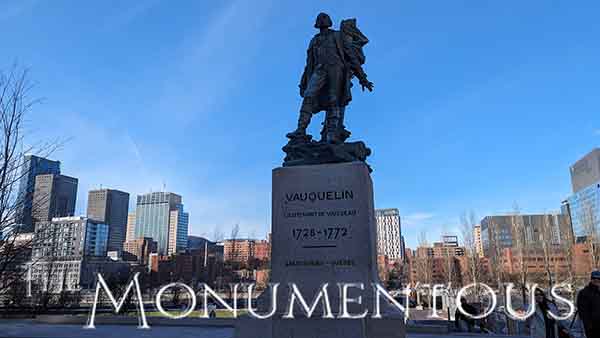
Located across from Nelson’s Column, the Statue of Jean Vauquelin was installed in 1930. Vauquelin is shown on the deck of a frigate, representing his efforts as a French naval officer during the French and Indian War. His ship was burned and he was captured during the conflict, but his bravery was inspiring enough that it compelled his captors to release him. He was quickly promoted to serve as captain of a larger ship.
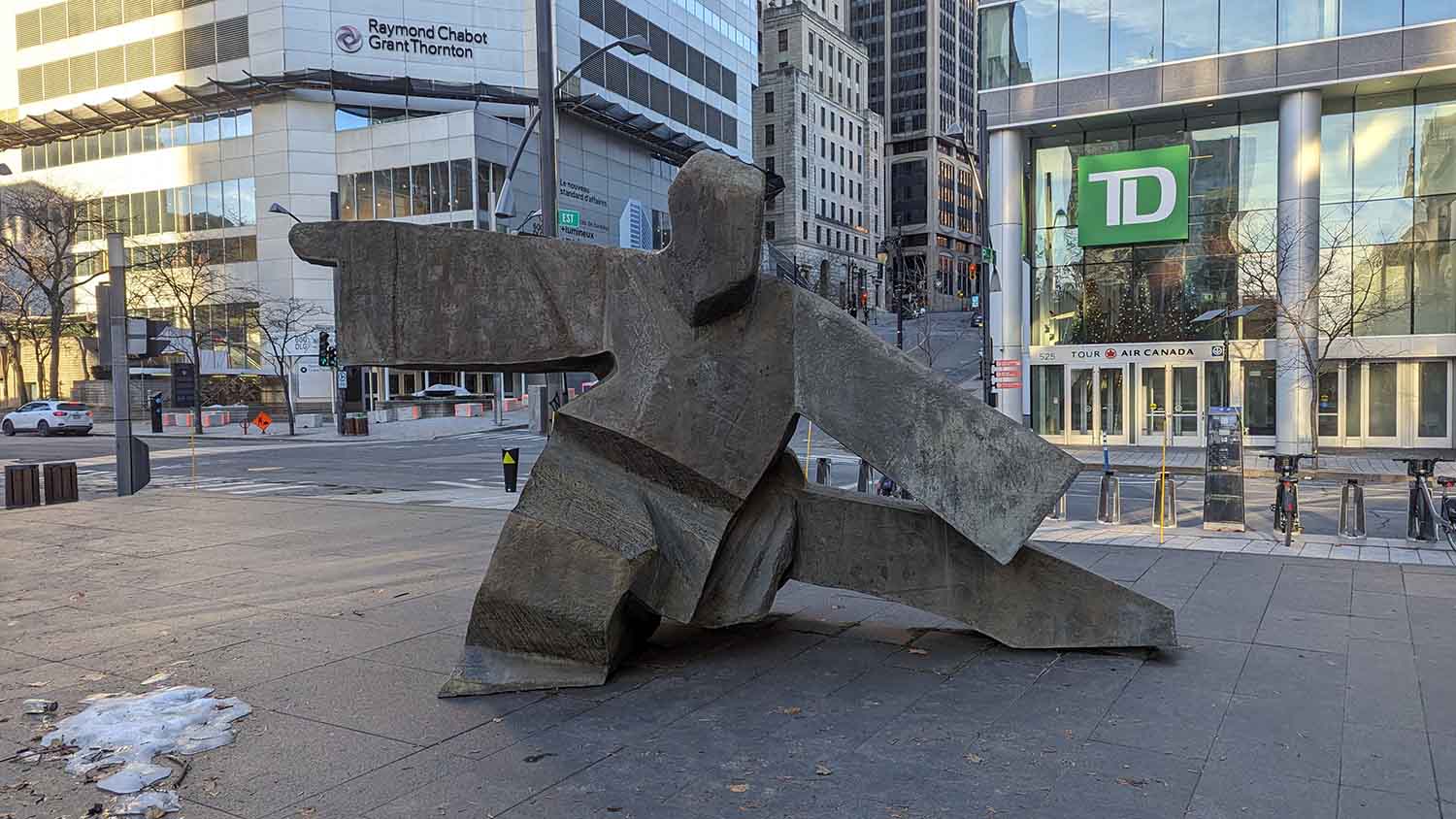
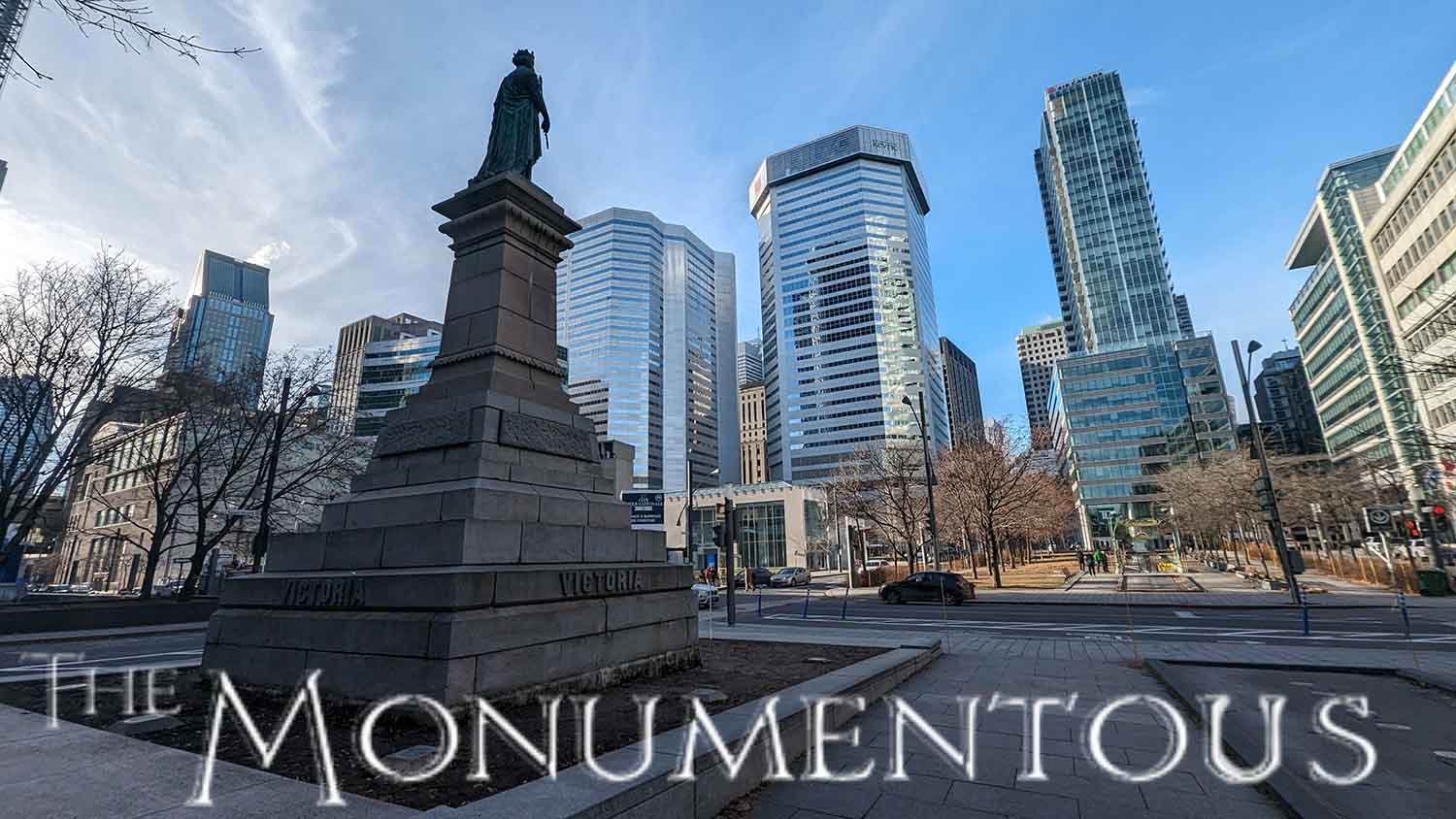
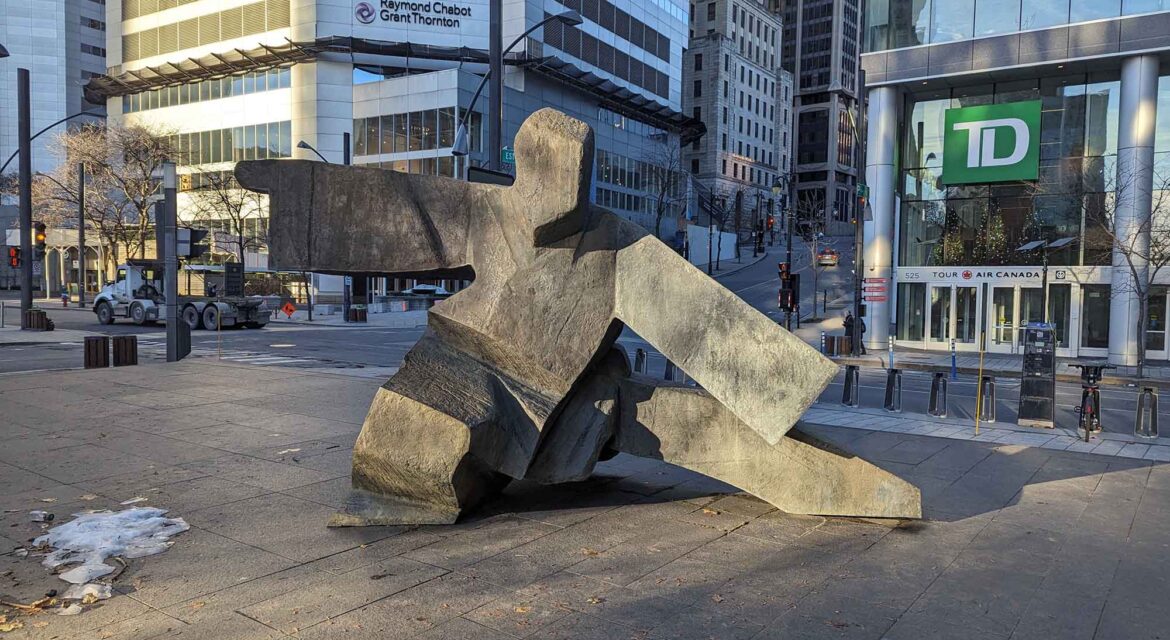
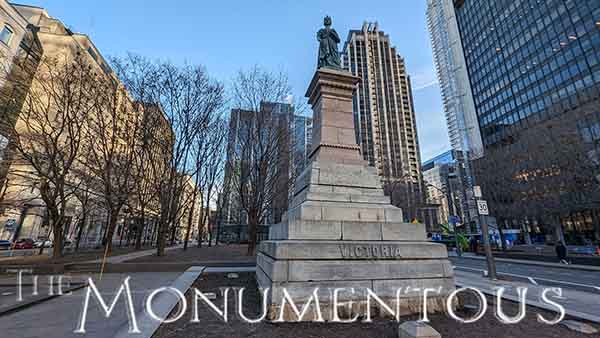 Victoria Square features the Victoria Memorial that was installed in 1872. Depicting Victoria high on a pedestal, the piece overlooks what has become the international face of the city. This popularity has enabled the installation of other features, like Taichi Single Whip. The sculpture depicts a common posture found in most forms of tai chi, becoming an icon that is recongized across the city.
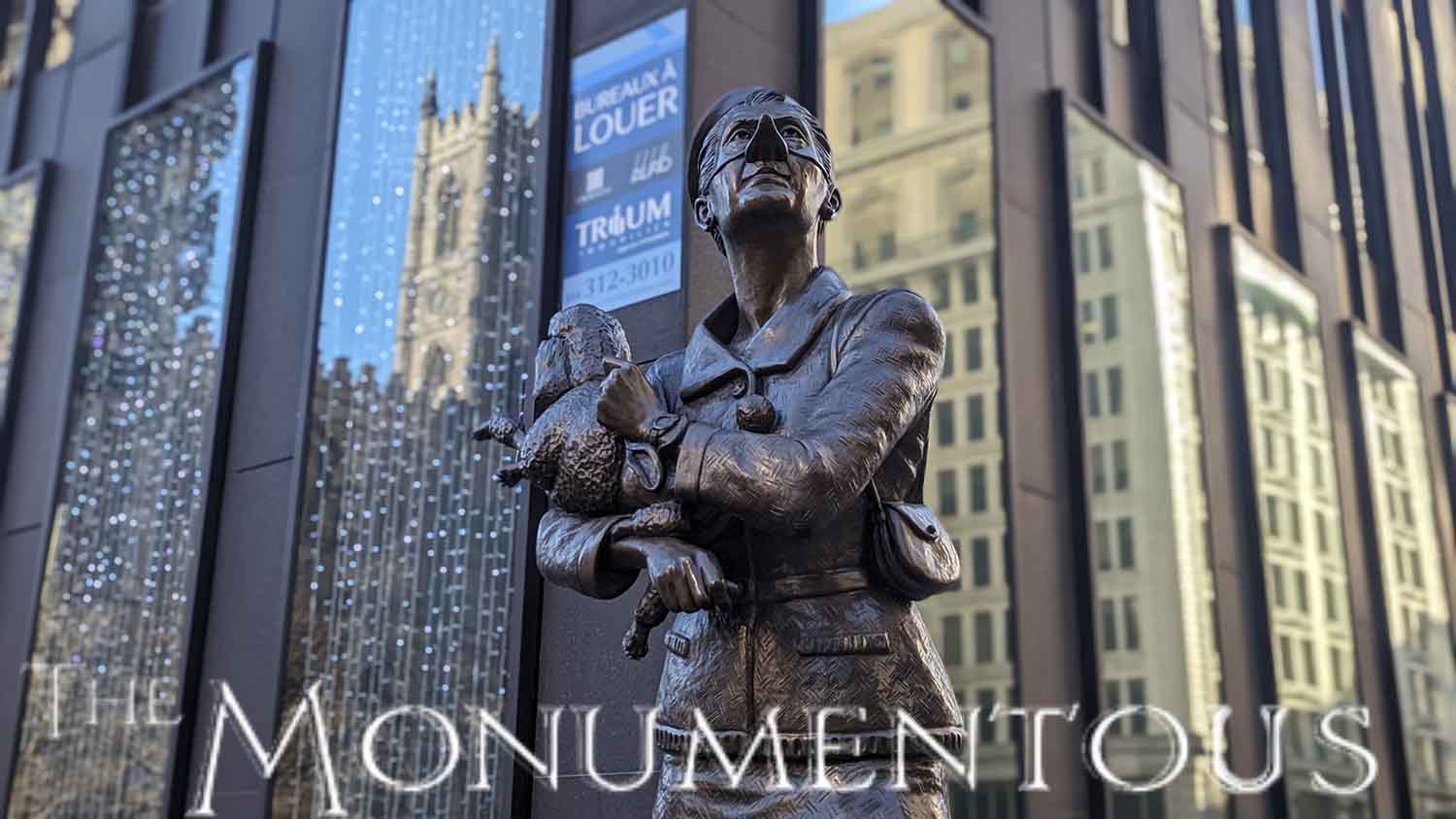
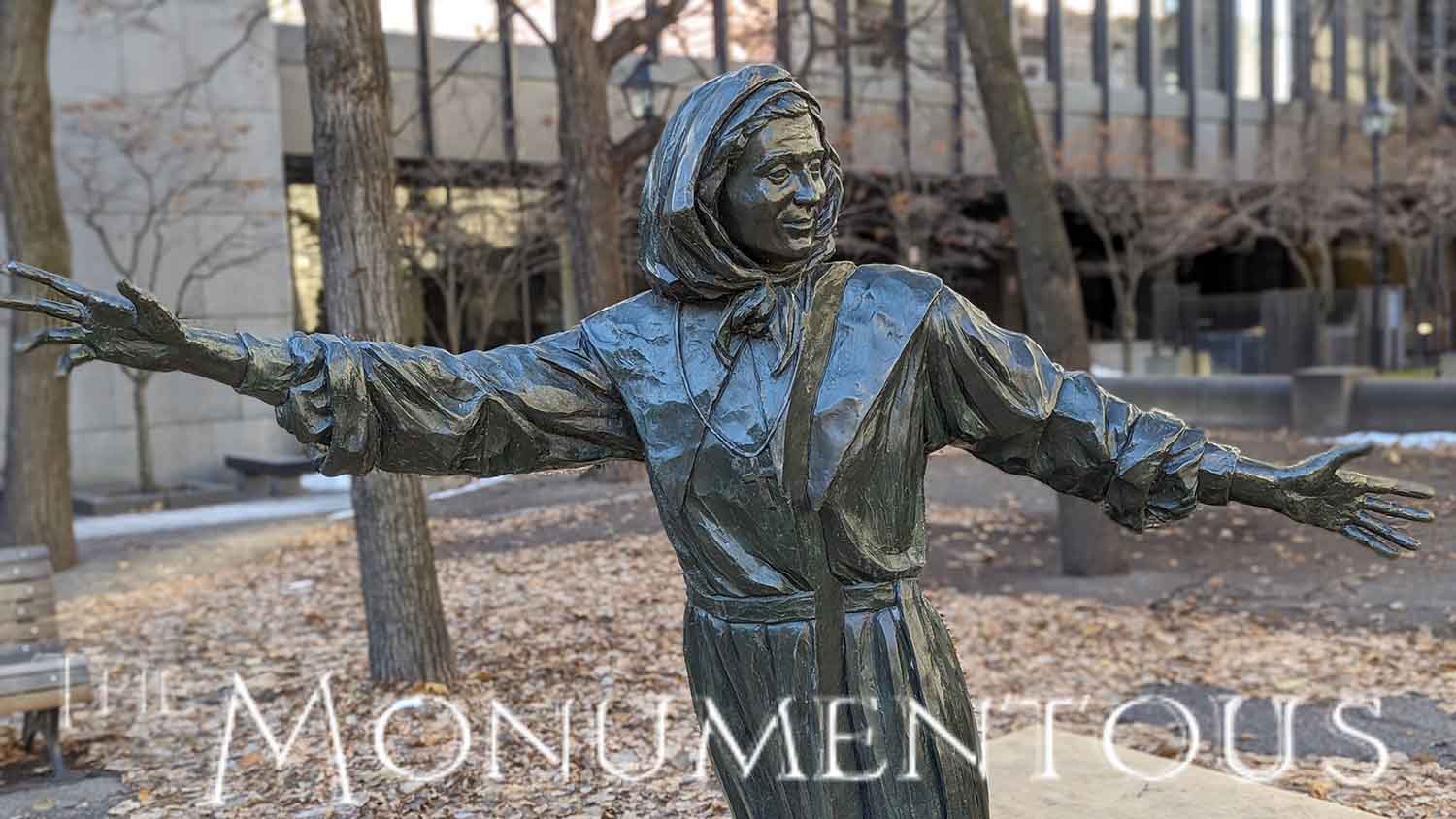
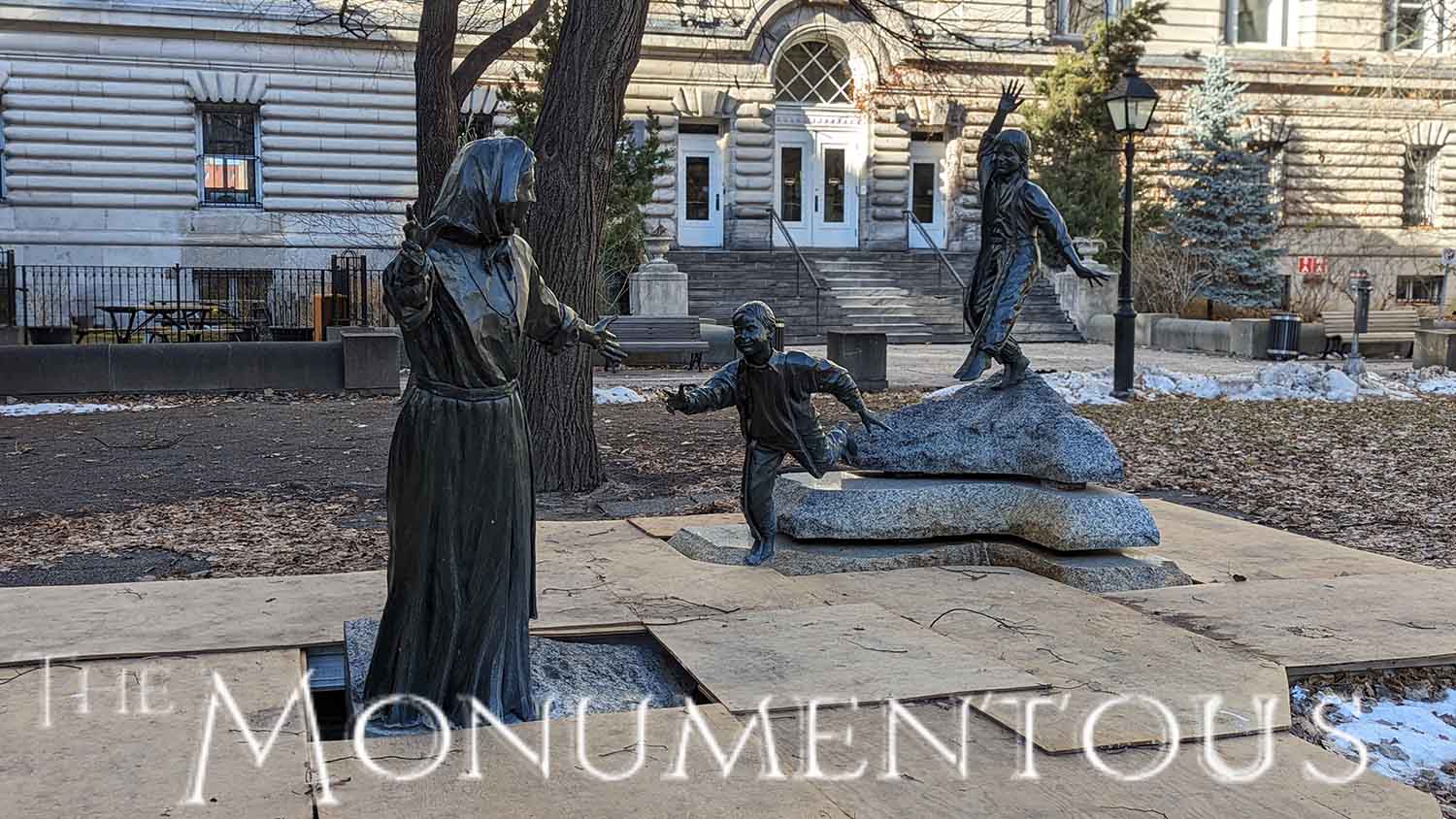
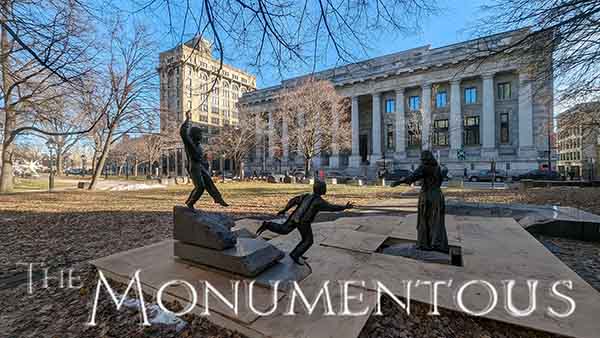
Installed in 1988, the Hommage à Marguerite Bourgeoys is a sculpture series that depicts the founder of the Congregation of Notre Dame of Montreal along with a few children. Her creation of one of the first uncloistered religious communities in the Catholic Church in Canada was an inspiration to the contemporary and modern community, compelling her to be canonized in 1982 as the first female saint of Canada.
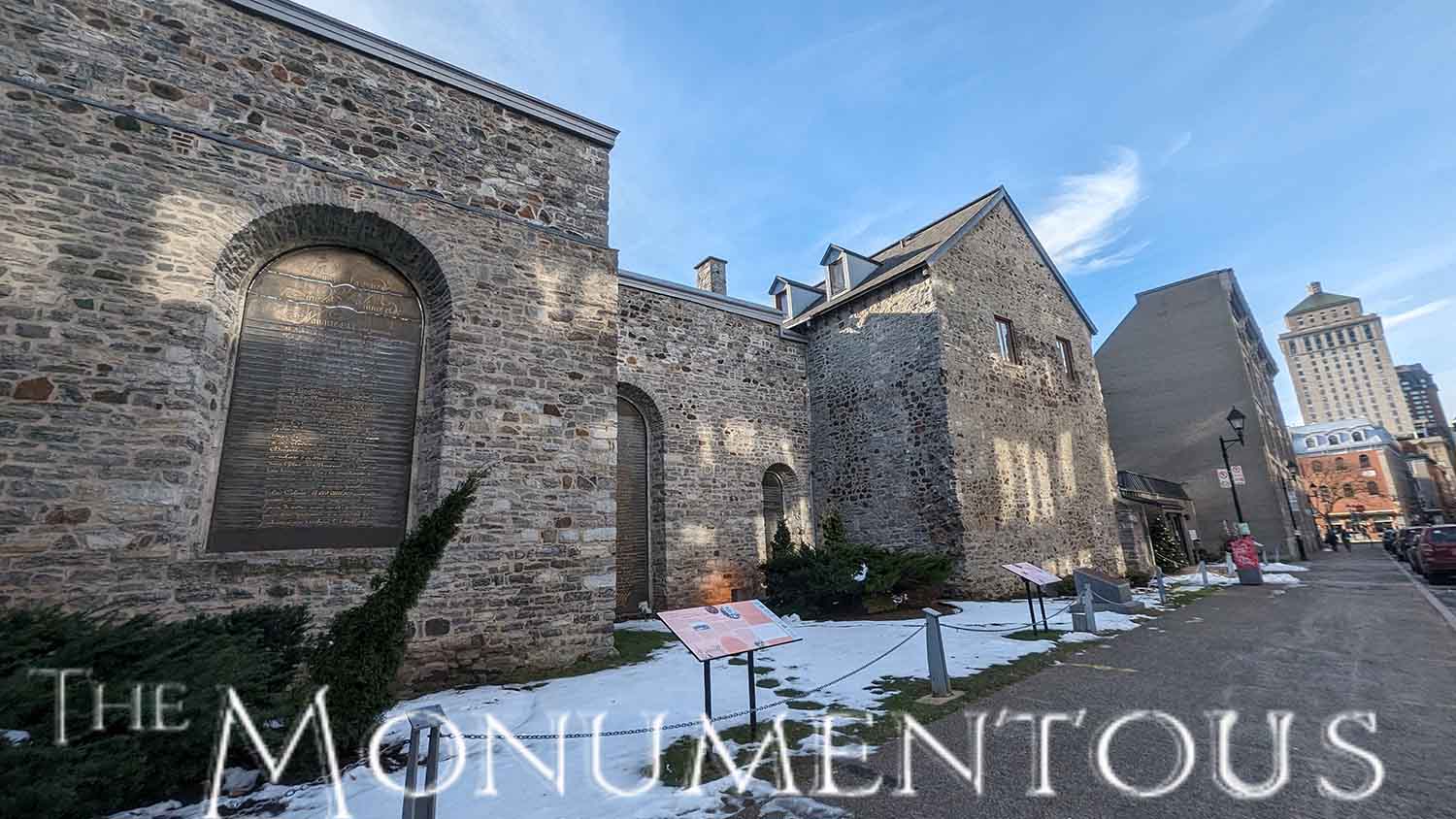
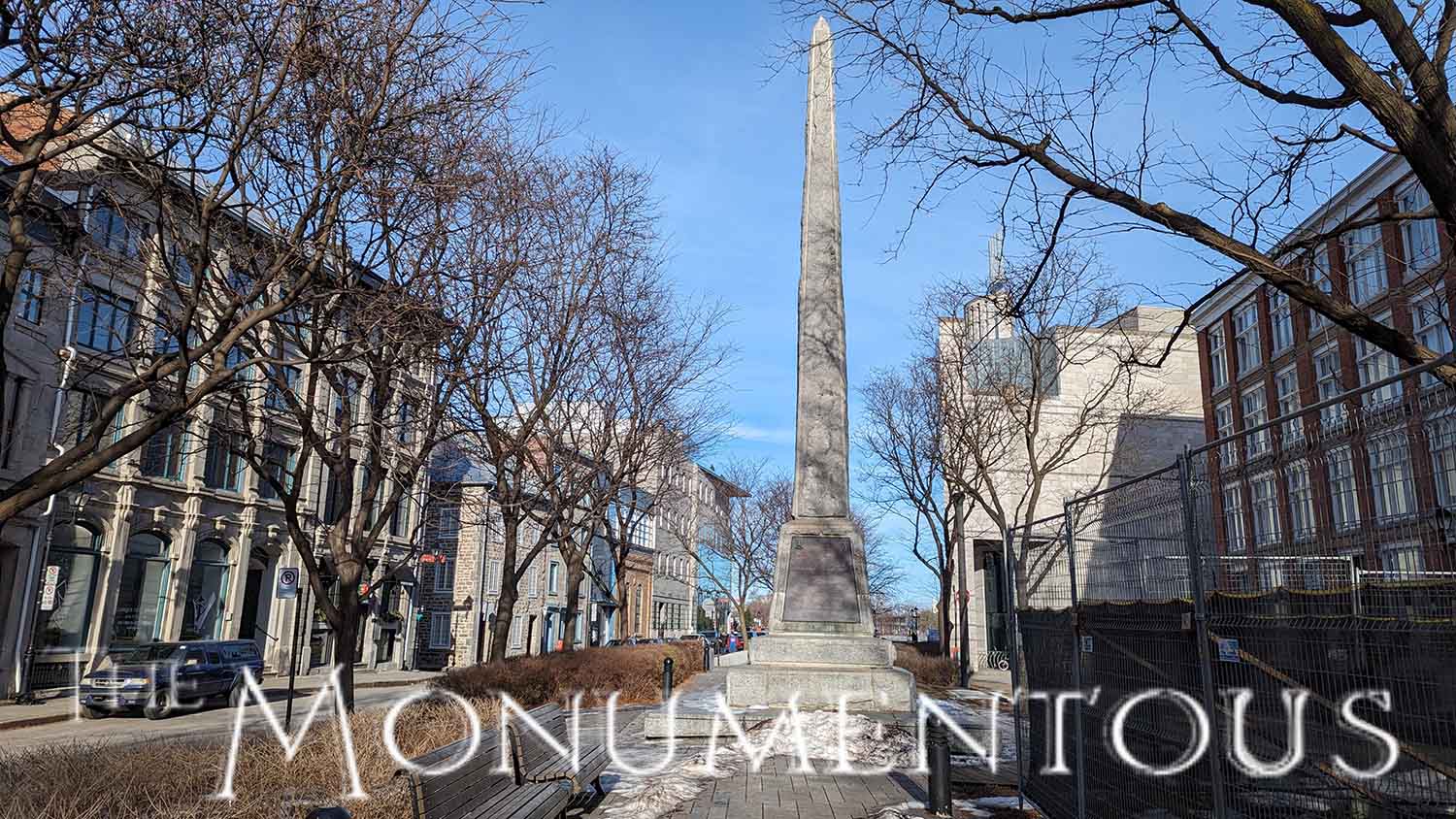
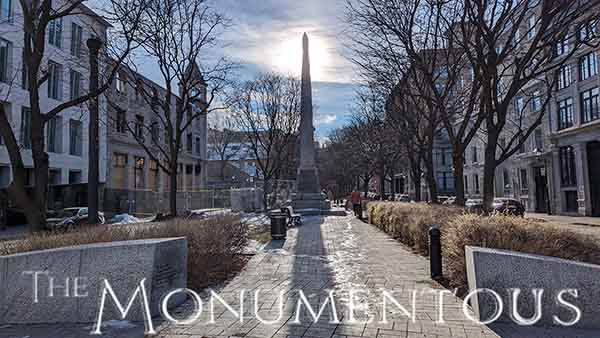
 Located in Old Montreal, the Pioneers’ Monument Obelisk commemorates the founding of Fort Ville-Marie, which the city of Montreal would eventually form around. Unveiling in 1894 to celebrate the city’s 250th birthday, it rises 41 feet into the air and features a plaque on each side, each of which is connected to a different aspect of the early days of the fort and city.
 These are just a few of the obscure and outstanding monuments located across Montreal, showcasing how landmarks of various types and sizes have enabled connections with the past and present of the community. These connections have created a framework for the installation of additional landmarks and features that will create even more engagement and growth for the community and city.