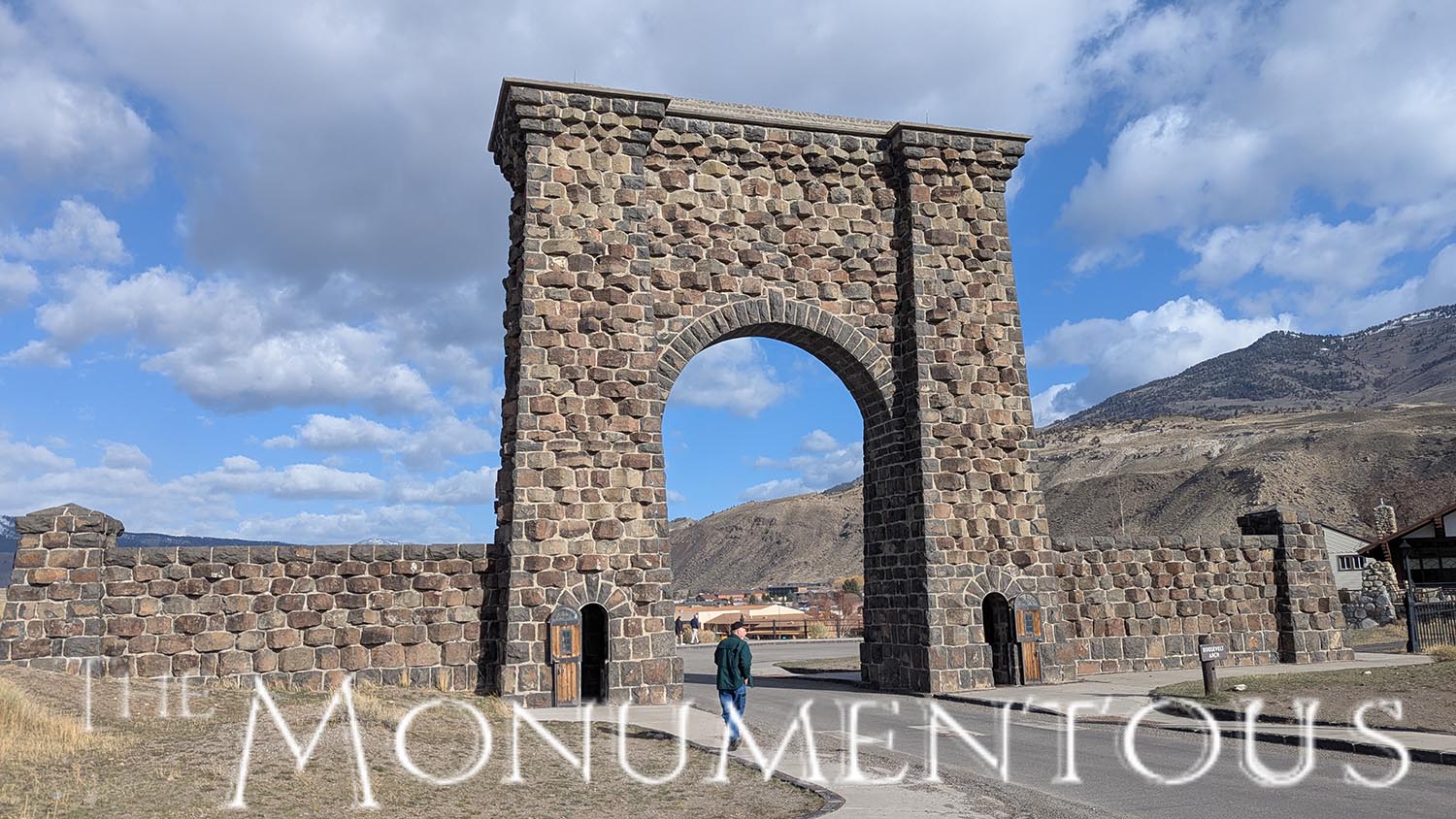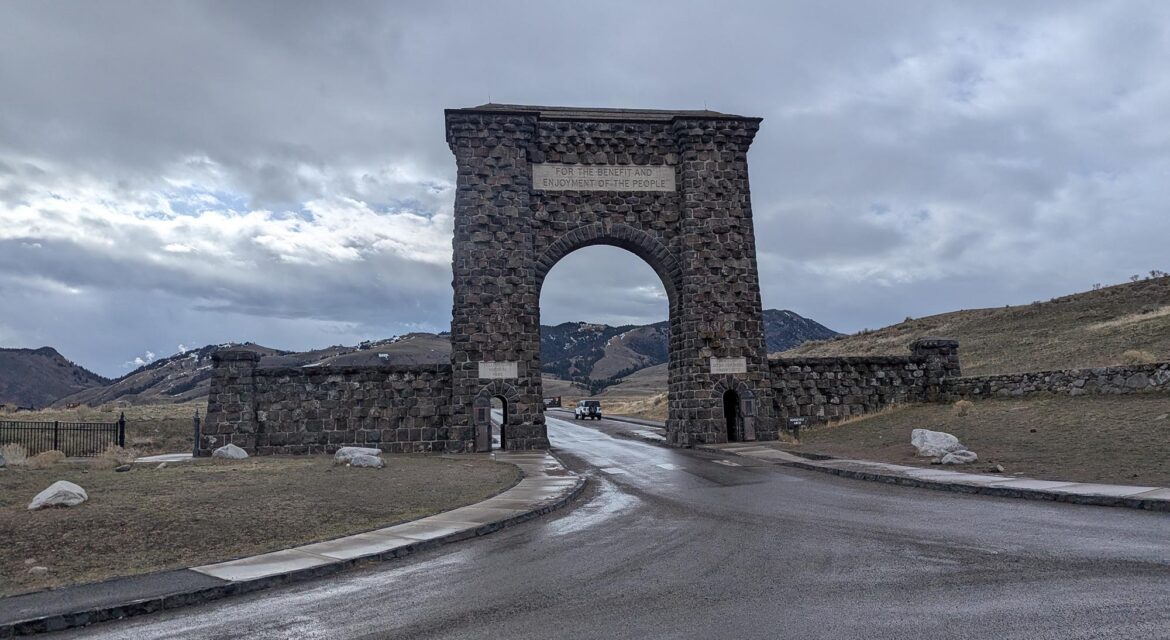

 While monumental arches can be found across the globe, few serve as both a physical threshold and a profound symbol of a nation’s commitment to its wilderness. At the North Entrance of Yellowstone National Park, the Roosevelt Arch does exactly that. This towering basalt monument, along with the surrounding Arch Park, does more than provide a “front door” to the park; it illustrates how intentional design can transform an underutilized landscape into a space of deep community and historical engagement.

A Symbol of Connection and Purpose
 Rising 50 feet above the sagebrush of Gardiner, Montana, the Roosevelt Arch was born from a desire for a distinct identity. In the early 1900s, visitors arriving by train were met with a dusty, nondescript staging area—a site Captain Hiram Chittenden of the U.S. Army Corps of Engineers described as “the least interesting” part of the region. He envisioned a structure that would signal a grand transition from the mundane world into the “Wonderland” of Yellowstone.
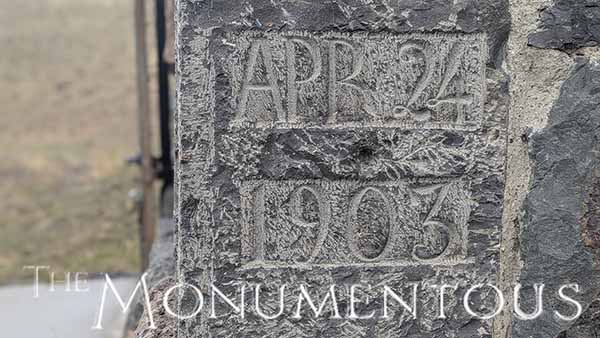
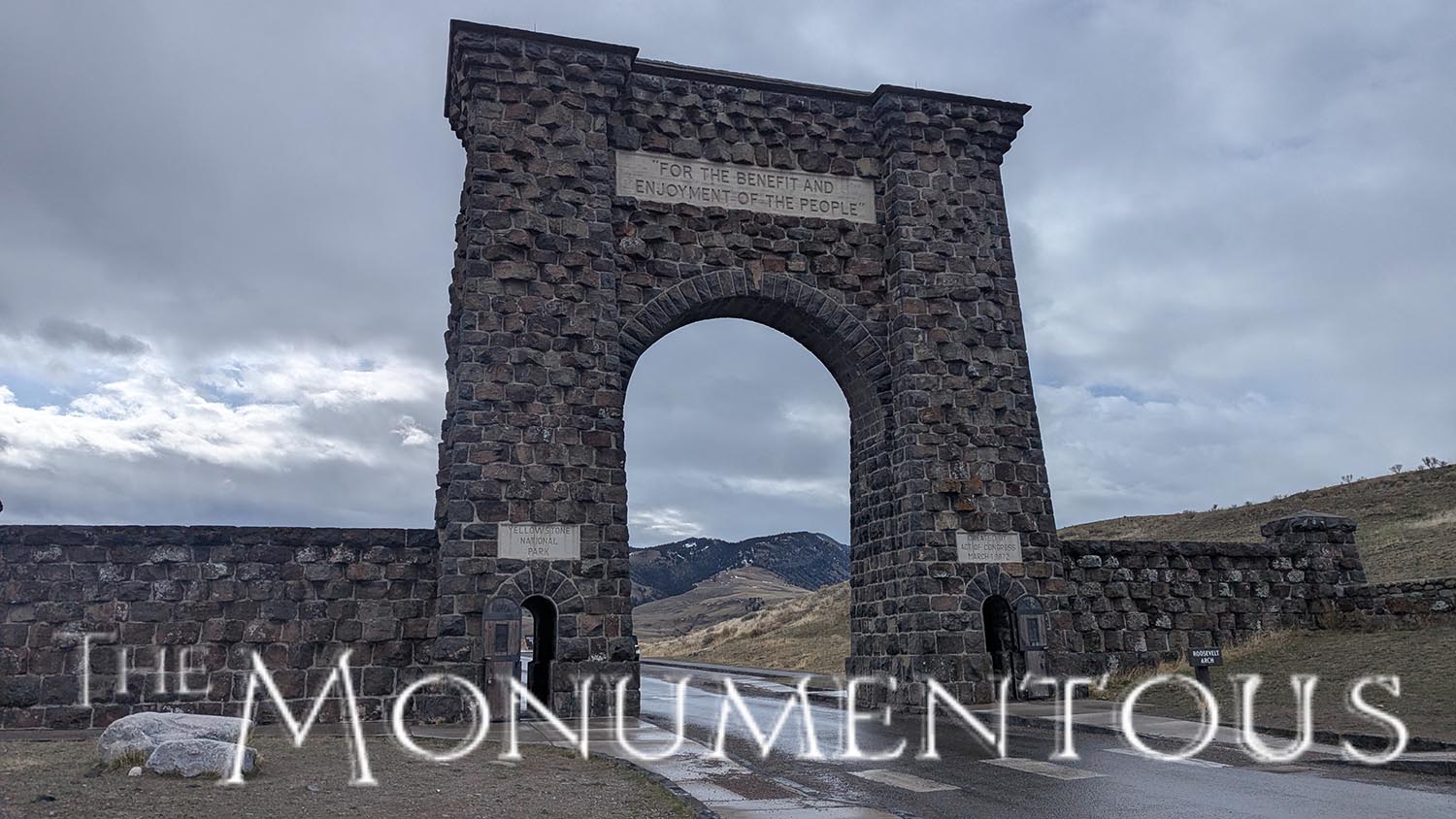
Constructed in 1903 from native columnar basalt quarried nearby, the arch is a masterclass in the National Park Service Rustic style. Its most enduring feature is the inscription etched into its crown: “For the Benefit and Enjoyment of the People.” This phrase, pulled directly from the 1872 Organic Act, remains the North Star of the National Park Service.
The monument’s namesake stems from a historical coincidence, as President Theodore Roosevelt was vacationing in the park during construction and was invited to lay the cornerstone. Inside that stone lies a time capsule containing a Bible, local newspapers, and a portrait of the President. It has come to serve as a symbol for what has been called “America’s Best Idea,” but has also been able to create physical engagement that attracts audiences on a different level.
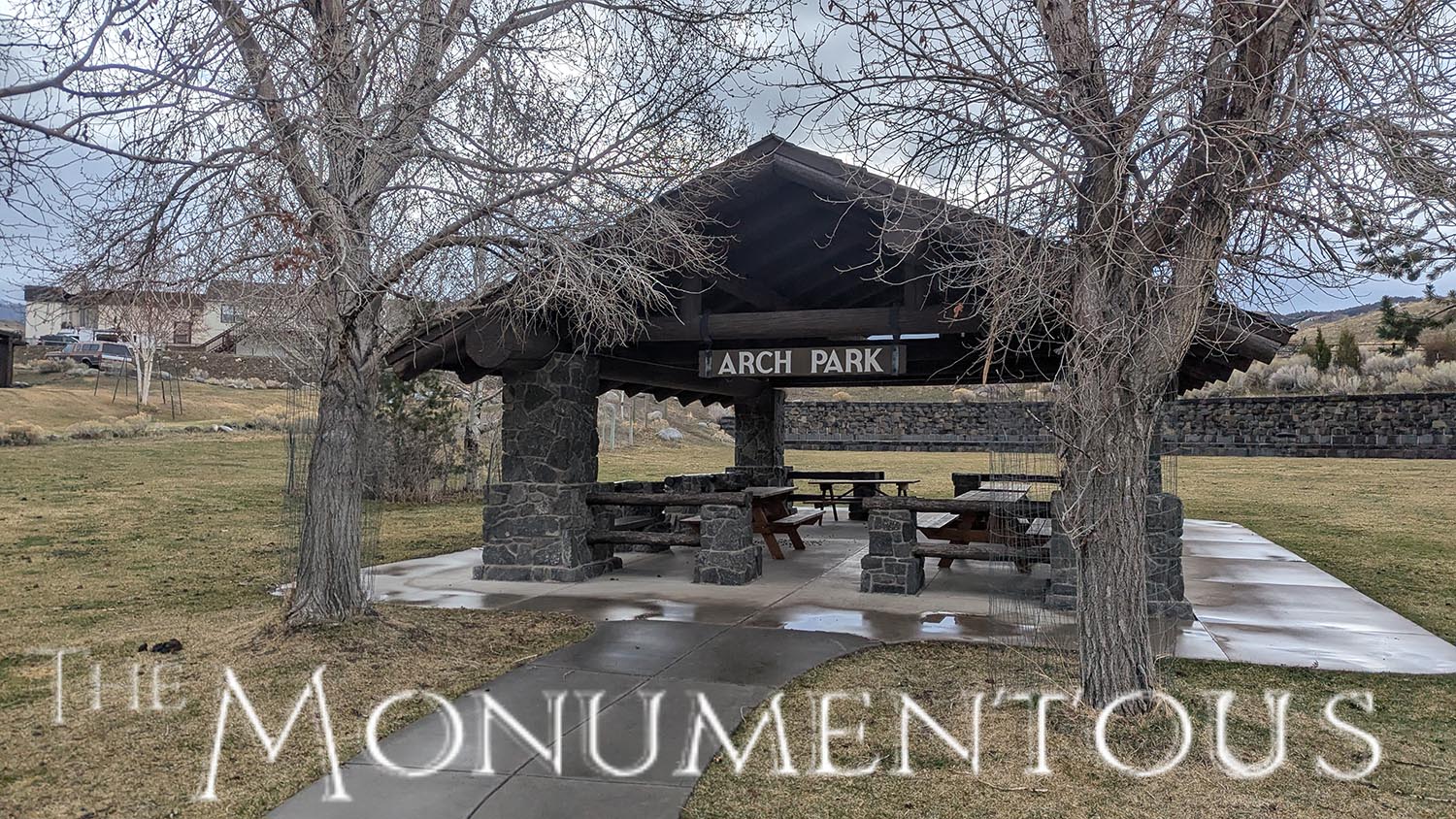
Arch Park: A “Picnic of History”
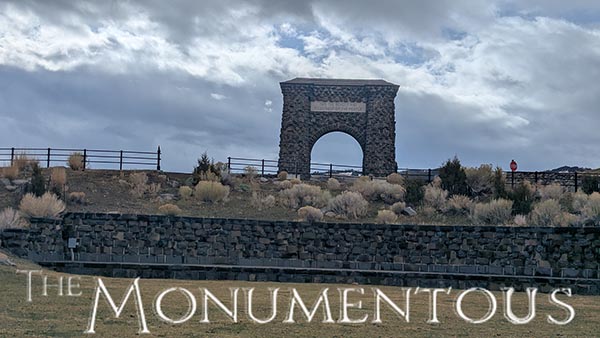 Directly adjacent to the monument is Arch Park, a space that invites visitors and residents alike to linger at the edge of history. Originally envisioned as a lush landscape with ponds and a waterfall, the area has evolved into a more naturalistic community hub.
Equipped with five picnic tables and a fire grate, Arch Park provides a rare vantage point where human artifice and wild nature collide. From its benches, one can watch resident elk herds graze past massive stone wing walls, perfectly indifferent to the “monumental” significance of the basalt towers towering above them. By providing these amenities, the park turned what could have been a simple transit point into a destination for reflection.
A Legacy for Everyone
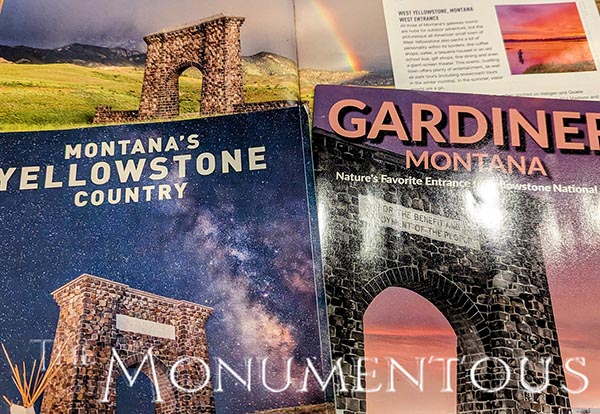 The Roosevelt Arch and Arch Park have become central to the identity of both Yellowstone and the town of Gardiner. Featured in countless maps, guides, and postcards, the arch has defined the park’s visual legacy for generations.
By reclaiming an otherwise empty space and infusing it with architectural purpose, Yellowstone created a landmark that transcends its function as an entrance. It stands as a testament to the belief that nature belongs to everyone, proving that when a landscape is framed with intention, stakeholders can create a legacy that audiences both in the present and future can engage with.