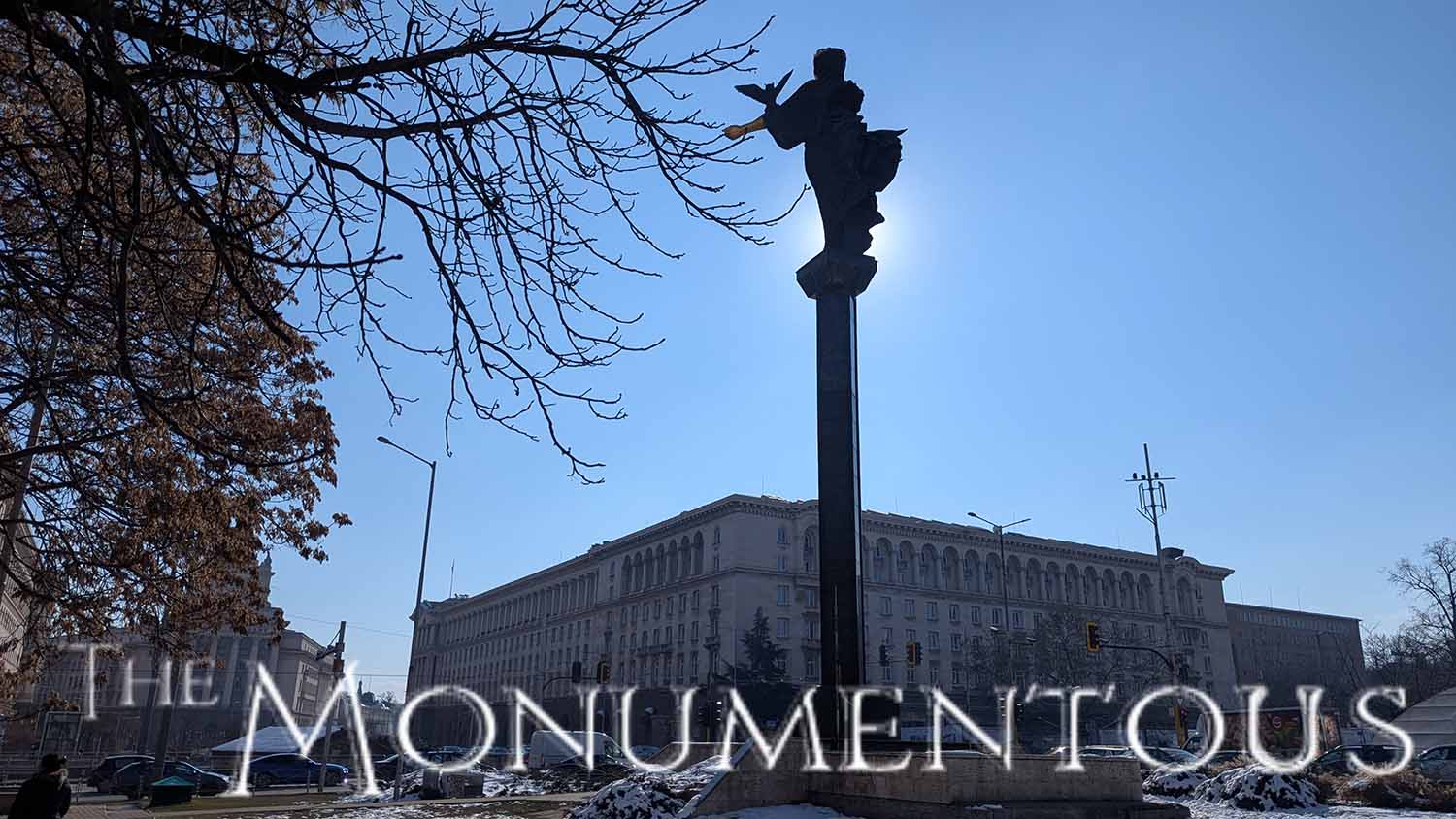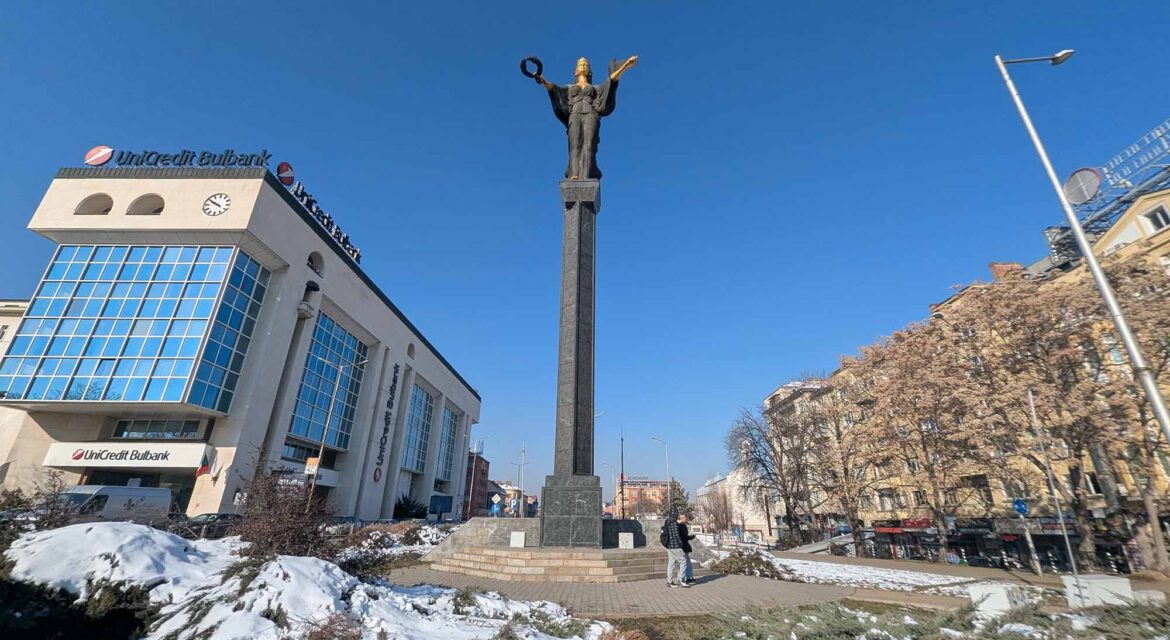

 Located within the heart of the community, the Statue of Sofia embodies a new legacy of and for the city of Sophia in Bulgaria. While the landmark is relatively new when compared to some of the others in the area, it uniquely represents a transformation that resonates culturally and economically.
Intended to be a symbol for all residents of the capital
 Installed in the 1960s, a 50-foot Statue of Lenin dominated what came to be known as “Lenin Square” in central Sofia for decades. The landmark resided there until 1991, when it was removed following the collapse of the Communist regime. The area was renamed “Independence Square,” and an effort to create a new symbol for better times in the new millennium soon kicked off.
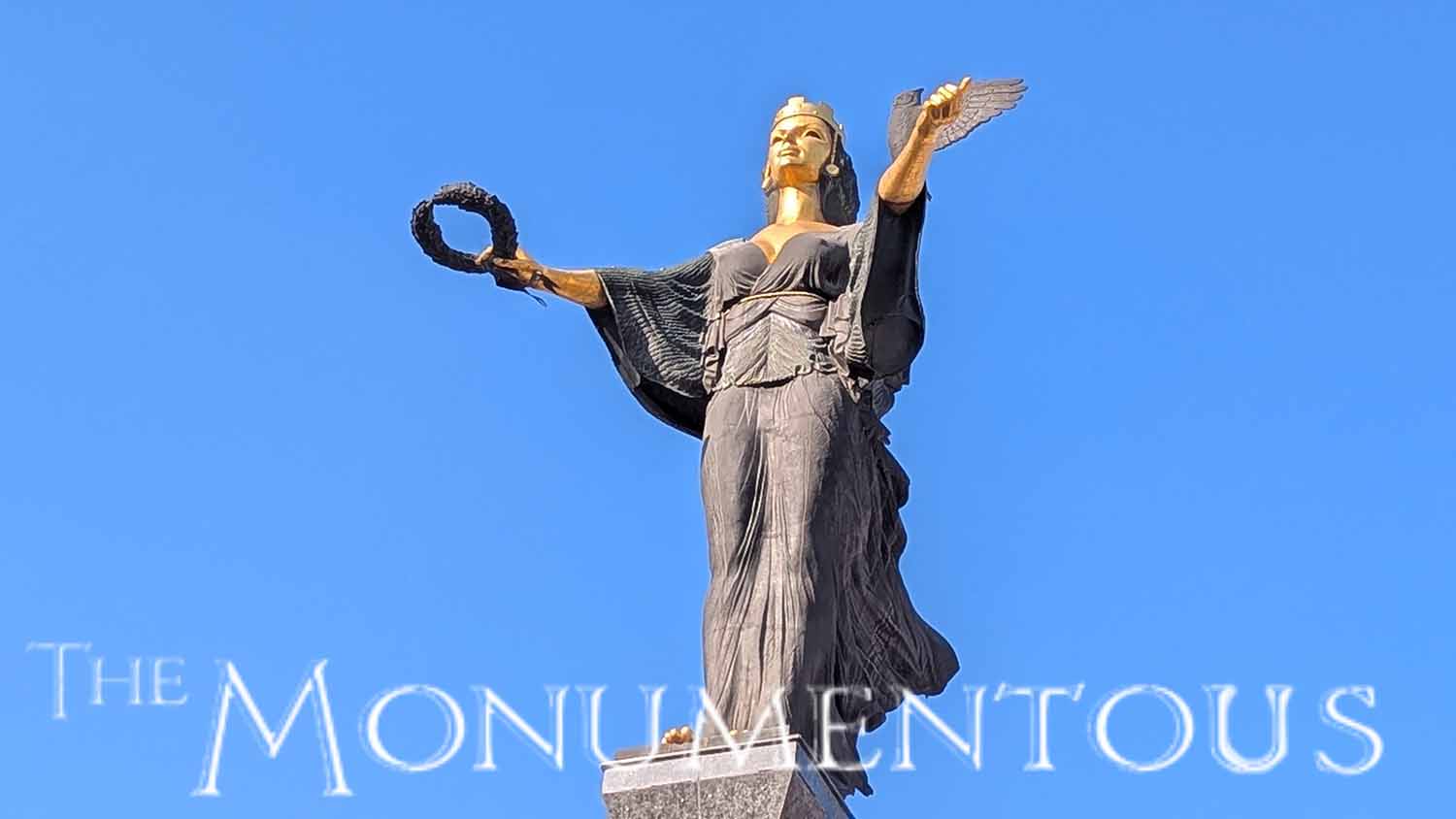
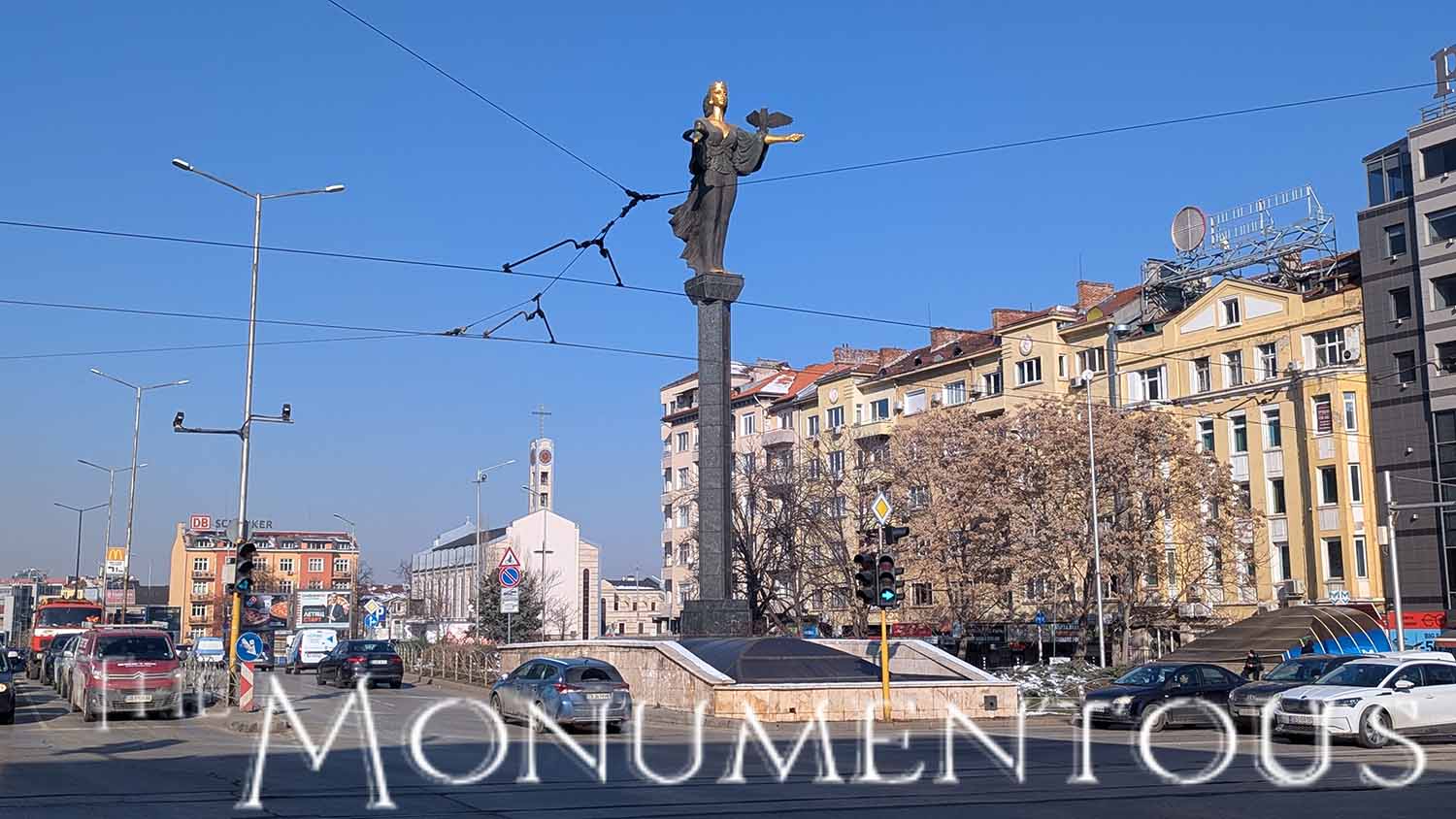
Opened to the public in the year 2000, the Statue of Sophia is a bronze sculpture that was designed by the local sculptor George Chapkanov. The sculpture itself is over 25 feet in height and resides on a pylon that is over 50 feet, with the entire landmark rising into the air nearly 80 feet. The sculpture has an owl on her left arm and holds a laurel wreath in her right hand, respectively representing wisdom and peace.
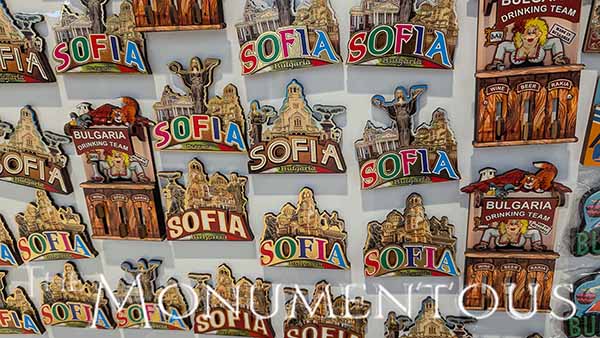
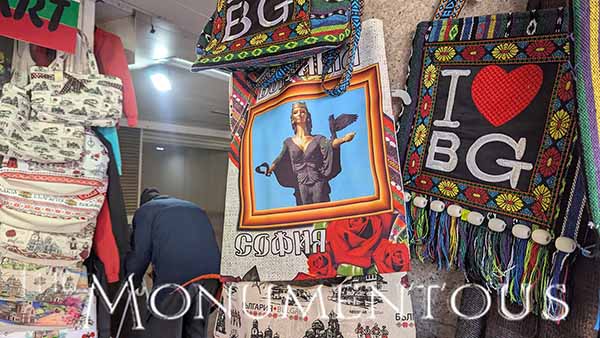
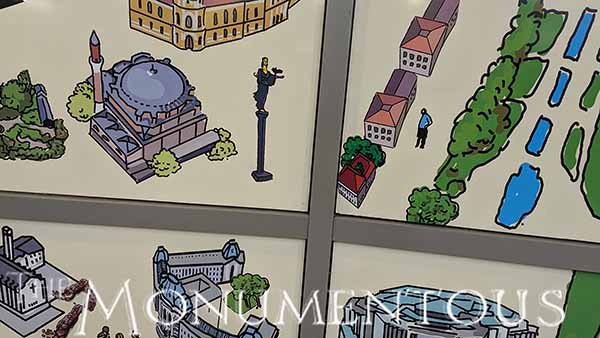
Intended to be a symbol that everyone in the community could identify with, most residents connect the sculpture with Saint Sophia, as the saint is associated with the oldest church in the city. However, the crown that the piece wears is also connected to a symbol of power for Tyche, the ancient Greek goddess of good fate. Debate around these differing interpretations has fueled the popularity of the piece, which is by far the most notable icon in the city that appears on maps, guides and merchandise. Additionally, a park with lush greenery and pathways at the foot of the monument has created a space for audiences to engage with piece and the surrounding community.
All of these elements highlight what it can mean for a landmark to resonate with both residents and visitors for very different reasons that are equally powerful.
Transforming a Space and Culture
 By transforming a hub of the community and also redefining Sofia’s identity, the Statue of Sophia demonstrates what it can mean to physically and intangibly enable positive change. Doing so sent a message of hope about a better future to the community that has resonated across the city and with the hearts and minds of audiences of multiple eras.