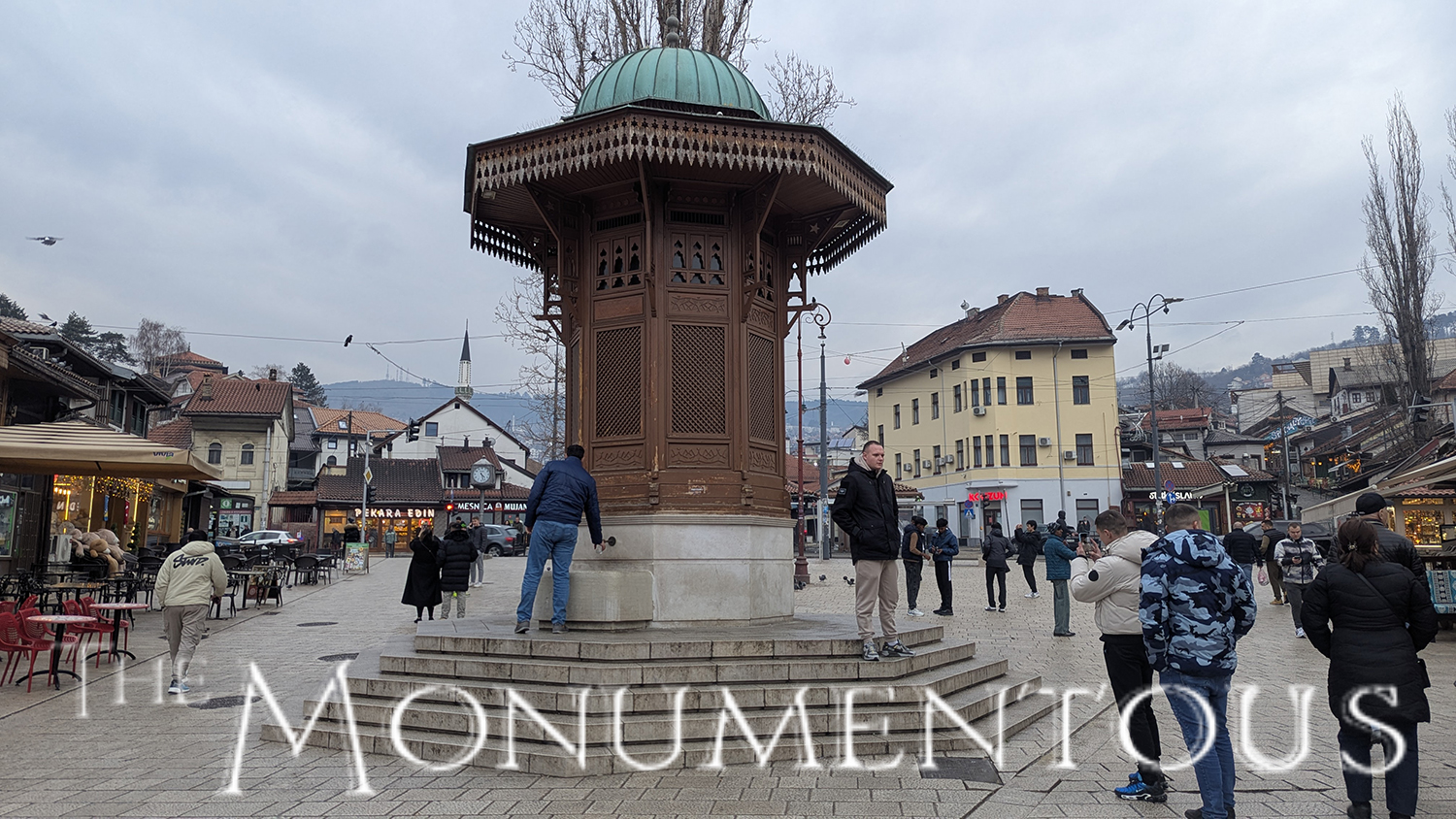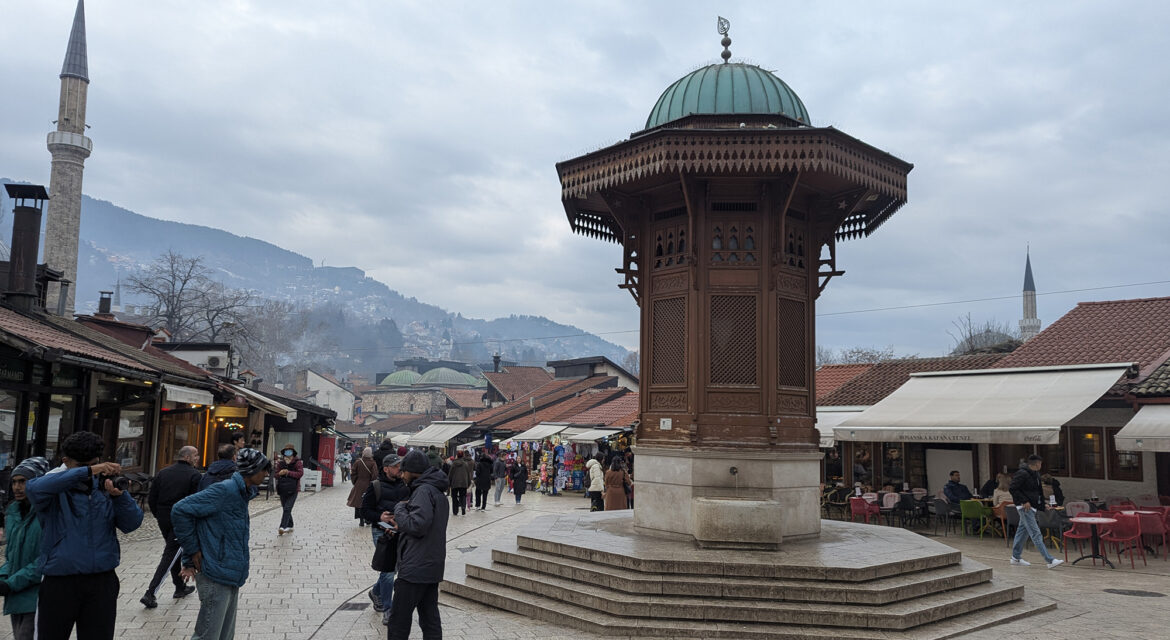

 Located in Bašcaršija Square in the Old Town of Sarajevo, Bosnia and Herzegovina, the Sebilj has become the most notable icon of the city and region. With a connection to the history and culture of the entire country, the Sebilj highlights what it can mean for a landmark to become something much more for both visitors and residents.
History and Legend
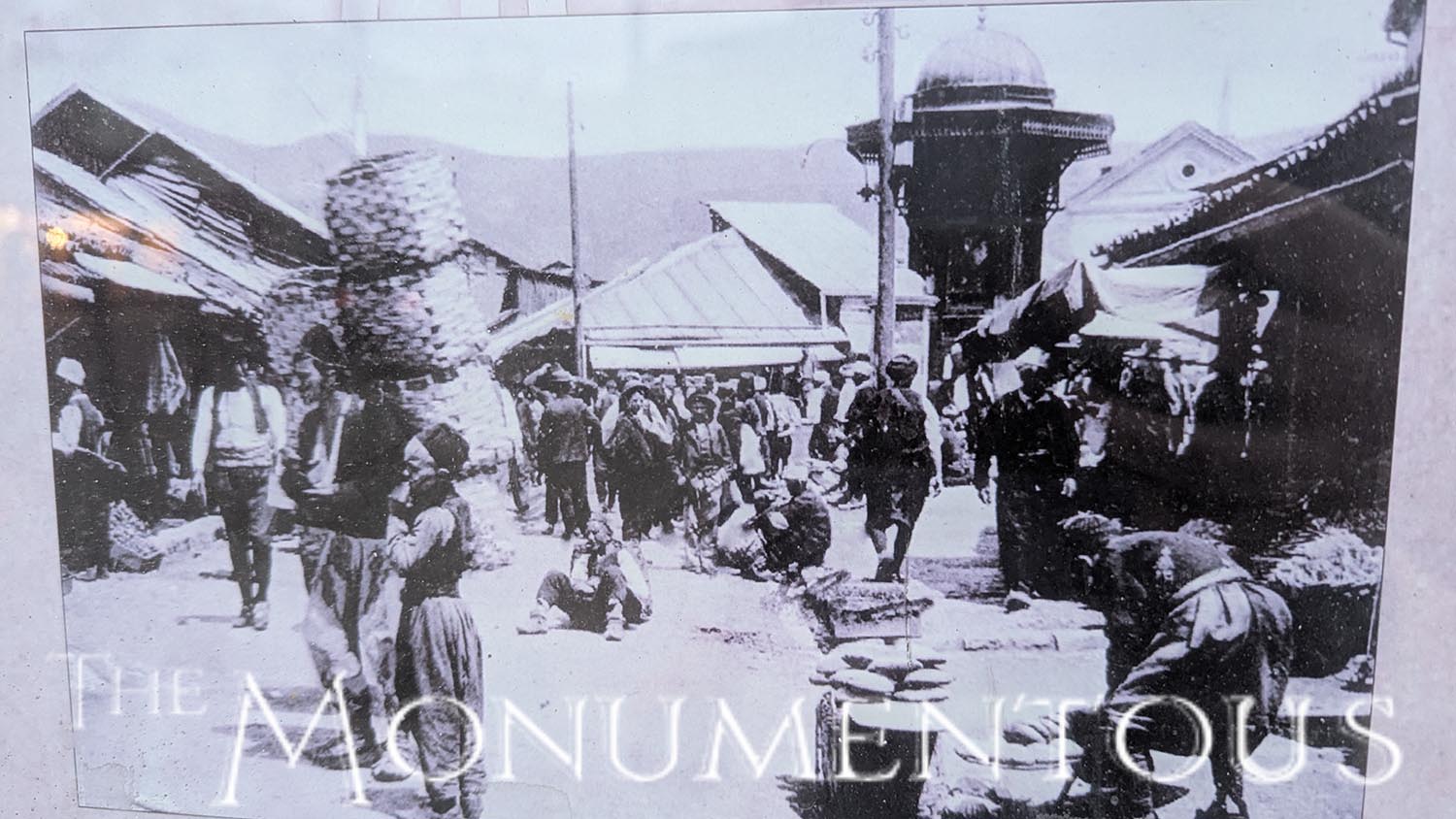
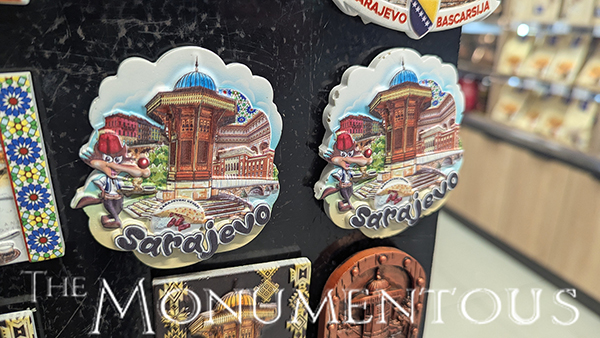 Originally built in 1753 by Mehmed Pasha Kukavica, the Sebilj is an Ottoman-style wooden fountain. Its’ name comes from an Arabic word which means, “to let fall, drop, hang down.” At one time, there were hundreds of these public fountains throughout the city as these types of fountains were historically public water sources. Today, the Sebilj is the only one that remains.
The current structure was installed in 1913 after being relocated to the location in 1891. It is a reconstruction of an original structure that was built during the period of Austro-Hungarian rule. Local legend says that if someone drinks water from the Sebilj, they’ll return to Sarajevo someday.
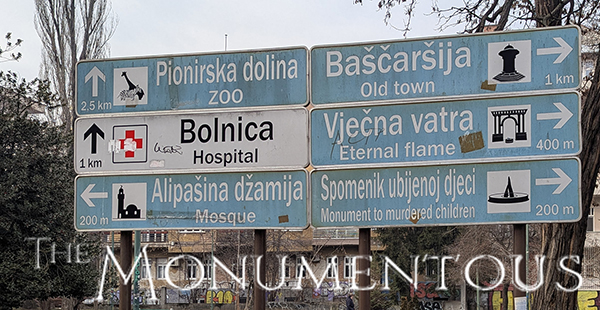
The Sebilj is a prominent feature on countless maps and guides to the city and serves as an anchor for the many cafés, bars and restaurants that surround it. The fact that the Sebilj has become such an icon that compels everything from selfies to providing a respite for residents highlights how a landmark that connects the culture and legacy of a city and region can resonate in such a big way.
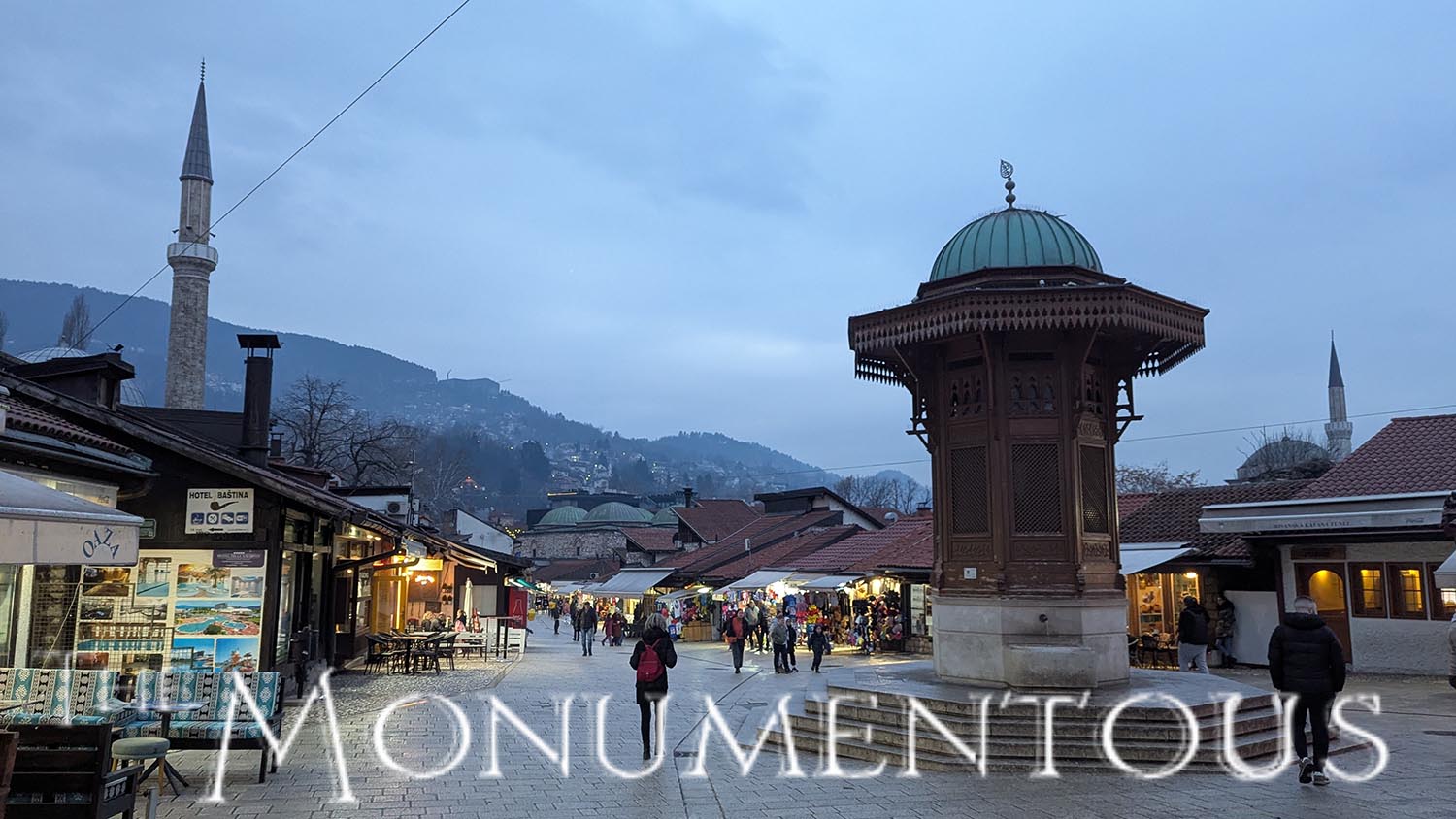
Regarded a national landmark
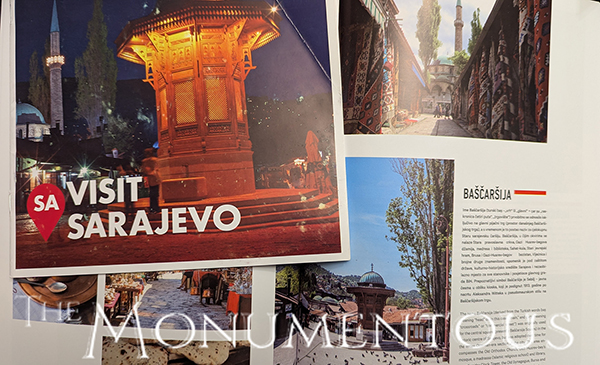 The Sebilj is a historical and cultural icon that embodies the spirit of Sarajevo, which is especially notable given the notable history that the city and region contains. Mentioned as a “must see” for anyone visiting the city as well as a national landmark, the Sebilj has become an essential means of connection that spans audiences, eras and cultures. It showcases how such landmarks can represent so much more than their physical structure or appearance in a way that resonates with audiences of all types.